In freelancing, a peak period is a predictable time of year when demand for specific services surges. Understanding this cycle is key to managing your workload and income effectively.
What is Peak period?
A peak period is a recurring season or timeframe when demand for freelance services is significantly higher than average. It's often tied to industry calendars, holidays, or fiscal year-ends. For example, web developers may see peaks before major shopping seasons, while tax consultants are busiest before filing deadlines.
Why is this important?
Knowing your peak periods helps you plan your year. You can anticipate higher income, manage your schedule to avoid burnout, and set aside funds for slower months. It allows you to be strategic instead of reactive with your business decisions.
How does it work?
Demand spikes based on client needs. You might find more projects via platforms or networking during these windows. Your rates may also be more negotiable due to higher demand. The key is recognizing the pattern specific to your niche and skill set.
Pros and cons
The pros include earning more income in a condensed time and building a stronger client portfolio. The cons are potential for overwork and burnout, followed by possible income droughts if you don't plan for the subsequent off-peak season.
Conclusion
Identifying your freelance peak period is a crucial business skill. By planning for high-demand seasons, you can maximize earnings and create financial stability. Use busy times to build a buffer for quieter periods throughout the year.
Ready to freelance?
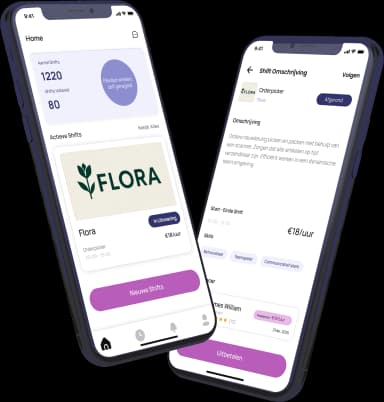
Download the HFS Freelancers app and discover flexible shifts in your area. Or explore more terms in our knowledge base.