In freelancing, a payout refers to the process where you receive payment for completed work. It's the final step that turns your effort into actual income.
What is Payout?
A payout is the transfer of money you've earned to your account. It's not the invoice or the promise of payment, but the actual movement of funds. This typically happens after you complete a project or reach a billing milestone agreed with your client.
Why is this important?
Payouts are your business's lifeblood. Consistent and timely payouts ensure you can cover your living expenses and business costs. Understanding payout terms helps you manage cash flow, plan your finances, and avoid stressful payment delays.
How does it work?
The process starts with an invoice or a platform releasing funds. The money is then sent via a chosen method, like bank transfer, digital wallet, or check. There's often a processing period, so the payout date isn't always the day you receive the cash.
Pros and cons
Key advantages include access to your hard-earned money and financial stability. Potential downsides are processing fees, varying speeds depending on the method, and possible holds or delays, especially on some platforms or with new clients.
Conclusion
Mastering payouts is essential for a sustainable freelance career. Always clarify payment terms upfront and choose reliable methods. This knowledge empowers you to get paid reliably for your valuable work.
Ready to freelance?
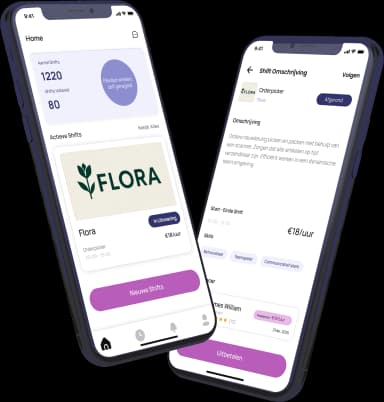
Download the HFS Freelancers app and discover flexible shifts in your area. Or explore more terms in our knowledge base.