A payment term is a clause in your contract that specifies when a client must pay your invoice. It's a fundamental part of your freelance business agreement.
What is Payment term?
A payment term is the agreed-upon period between when you issue an invoice and when the client's payment is due. Common examples are 'Net 30' for payment within 30 days, or 'Due upon receipt' for immediate payment. It sets clear expectations for both parties.
Why is this important?
Clear payment terms are vital for your cash flow. They prevent payment delays and misunderstandings. Without them, you might face unpredictable income, making it hard to manage your business finances and plan for expenses.
How does it work?
You define the terms in your contract or proposal before starting work. After completing the work, you send an invoice with the due date clearly stated. The client then has until that date to process the payment, whether via bank transfer, platform, or other method.
Pros and cons
The pros include predictable cash flow and professional client relationships. The cons can be clients pushing for very long terms like Net 60, which strains your finances, or the risk of late payments even with terms in place.
Conclusion
Negotiating fair payment terms is a non-negotiable skill for freelancers. Always clarify them upfront in writing. Protecting your cash flow is essential for a sustainable and stress-free freelance business.
Ready to freelance?
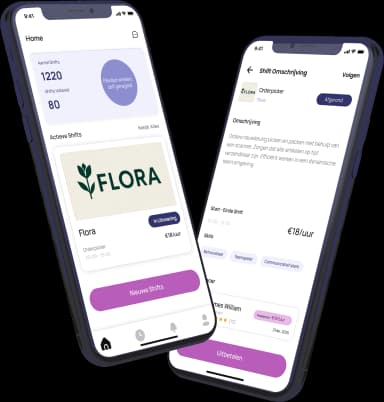
Download the HFS Freelancers app and discover flexible shifts in your area. Or explore more terms in our knowledge base.