Payment conditions are the specific terms that govern how you receive money for your freelance services. They are a fundamental part of your agreement with any client.
What is Payment conditions?
Payment conditions are the agreed-upon rules for client payments. They specify details like the payment amount, due date, accepted methods, and any late fees. Essentially, they are the financial terms of your contract that ensure you get paid correctly and on time for your work.
Why is this important?
Clear payment conditions protect your cash flow and prevent misunderstandings. They set professional expectations and reduce the risk of late or missing payments. For you, this means predictable income and fewer financial headaches, allowing you to focus on your work.
How does it work?
You negotiate and define these terms before starting a project, often within a contract or proposal. Common structures include net 30 (payment within 30 days of invoice), 50% upfront with 50% on completion, or payment upon delivery. The conditions are then stated clearly on your invoices.
Pros and cons
The pros include predictable income, professional credibility, and a clear process for late payments. The main con is that strict terms might deter some clients. You also need to enforce the terms, which can sometimes lead to difficult conversations if a client pays late.
Conclusion
Defining clear payment conditions is non-negotiable for a sustainable freelance business. They are your primary tool for ensuring you get paid fairly and on schedule. Always formalize these terms in writing before any work begins.
Ready to freelance?
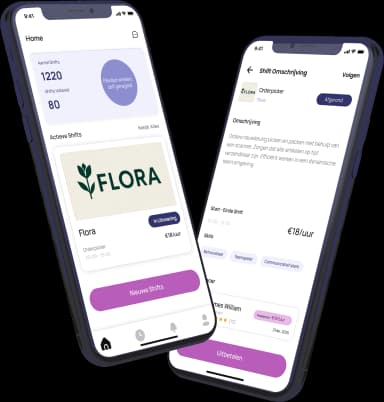
Download the HFS Freelancers app and discover flexible shifts in your area. Or explore more terms in our knowledge base.