Passive income refers to earnings generated with minimal active daily involvement. For freelancers, it represents a path to greater financial security.
What is Passive income?
Passive income is money you earn regularly with little to no daily effort to maintain it. Unlike active income from client projects, it continues to flow after the initial work is done. Think of it as building assets that pay you over time.
Why is this important?
For freelancers, income can be unpredictable. Passive income creates a financial cushion during slow periods. It reduces your total reliance on trading hours for money, leading to better stability and less stress about finding the next client.
How does it work?
You do significant work upfront to create an income-generating asset. Common examples include creating digital products like templates or e-books, earning royalties from creative work, or affiliate marketing. After launch, these assets can generate sales with minimal ongoing management.
Pros and cons
The pros include diversified income, earning while you sleep, and long-term financial growth. The cons are the high upfront time investment, no guaranteed returns, and often needing marketing effort to gain traction initially.
Conclusion
Building passive income is a strategic move for freelancers seeking financial resilience. Start small by leveraging your existing skills to create a simple digital product. It complements your active client work and helps build a more sustainable business.
Ready to freelance?
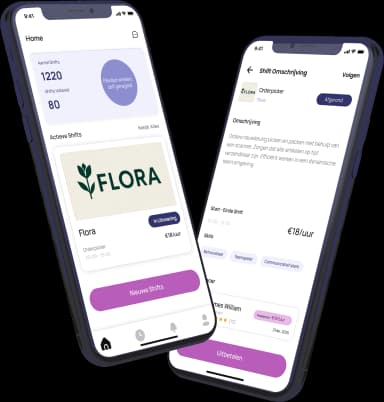
Download the HFS Freelancers app and discover flexible shifts in your area. Or explore more terms in our knowledge base.