An onboarding plan is a critical first step in any freelance engagement. It's a structured process that guides how you and a new client will start working together effectively.
What is Onboarding plan?
An onboarding plan is a structured checklist or process for integrating a new freelancer into a client's project or team. It outlines the initial steps, from contract signing to the first deliverable. The goal is to ensure you have all necessary access, information, and clarity to begin productive work immediately.
Why is this important?
A good onboarding plan prevents misunderstandings and delays. It builds trust by showing professionalism and establishes clear communication channels from day one. For you, it means faster ramp-up time and a clearer path to getting paid for your work.
How does it work?
Typically, the client or you propose a plan after agreeing to work together. It includes steps like sharing project briefs and brand guidelines, granting system access, scheduling a kickoff meeting, and defining the first milestone. You might receive this via email or a shared document.
Pros and cons
The pros are clear: reduced confusion, faster project start, and professional impression. The main con is that not all clients use them, which can lead to a disorganized beginning. Sometimes a very rigid plan can feel inflexible for creative work.
Conclusion
An effective onboarding plan is a sign of a professional client relationship. If a client doesn't provide one, consider suggesting a simple version yourself. It sets the tone for a successful and smooth collaboration from the very first interaction.
Ready to freelance?
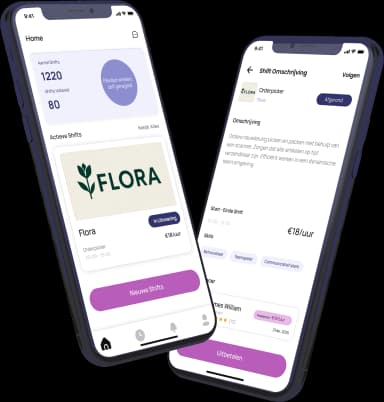
Download the HFS Freelancers app and discover flexible shifts in your area. Or explore more terms in our knowledge base.