An on-call worker is a freelancer who agrees to be available for work at short notice. This arrangement provides clients with immediate support while offering you a unique type of flexibility.
What is On-call worker?
An on-call worker is an independent contractor who agrees to be available for work assignments with little advance notice. Unlike a traditional employee with a set schedule, your availability is the key service. Clients contact you when they have an urgent need, such as a system outage, a last-minute project, or covering an absence.
Why is this important?
This model is important because it defines a specific, demand-based working relationship. For clients, it provides a safety net for unexpected workloads. For you as a freelancer, it can mean securing recurring retainer fees for your availability, even when not actively working on a task. It's a different way to structure your services and income.
How does it work?
You typically agree on terms with a client in advance. This includes your rate, response time expectations, and the scope of potential work. You then remain reachable during agreed-upon windows. When the client needs you, they send a request. You confirm availability and begin the work, often tracking time or deliverables for billing.
Pros and cons
The main advantages are potential for retainer income, strong client relationships, and varied work. The significant downsides include unpredictable schedules, the need to be 'always on,' and potential difficulty planning your time. You must weigh the guaranteed pay against the loss of spontaneous personal freedom.
Conclusion
Being an on-call worker can be a lucrative niche, offering value through immediate availability. It's best suited for freelancers who thrive under variable schedules and can manage the boundaries of being on standby. Clear contracts defining availability and compensation are essential for this model to work successfully for both parties.
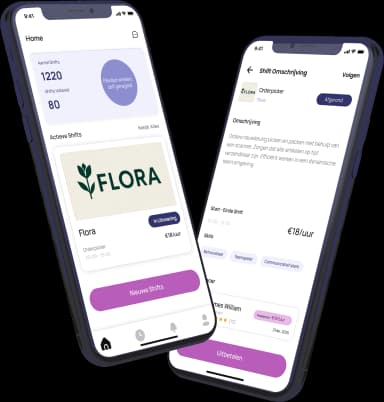
Ready to freelance?
Download the HFS Freelancers app and discover flexible shifts in your area. Or explore more terms in our knowledge base.