Non-billable hours are the time you spend on tasks you cannot directly invoice to a client. They are a fundamental part of running your freelance business.
What is Non-billable hours?
Non-billable hours are the work you do for your business that isn't directly paid for by a client. This includes administrative tasks, marketing, networking, writing proposals, and learning new skills. It's essential work that supports your ability to do paid, billable work.
Why is this important?
Tracking these hours is crucial for your business health. If you ignore them, you risk undercharging for your services. Understanding your non-billable time helps you set accurate rates that cover all your work, not just the client-facing tasks.
How does it work?
You should track all your work time, both billable and non-billable. Common examples include invoicing, finding new clients via platforms, and managing your finances. By tracking, you see the true cost of running your business and can price accordingly.
Pros and cons
The main pro is that this time is an investment in your business's growth and stability. The significant con is that it directly reduces your earning potential if not managed. You must balance it with paid work to remain profitable.
Conclusion
Non-billable hours are unavoidable but manageable. By tracking them and factoring their cost into your rates, you build a sustainable freelance career. Remember, this time is the foundation that allows your billable work to happen.
Ready to freelance?
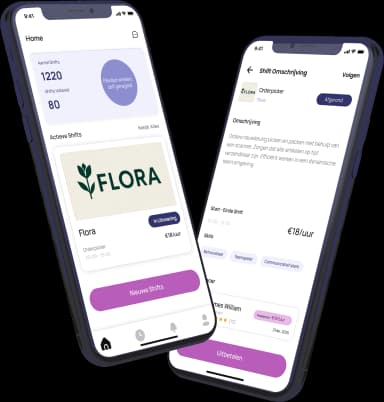
Download the HFS Freelancers app and discover flexible shifts in your area. Or explore more terms in our knowledge base.