In freelancing, a 'no-show' refers to a missed appointment where one party fails to attend a scheduled meeting without prior notice. It's a common but disruptive event.
What is No-show?
A no-show is when a client or freelancer does not attend a scheduled meeting, call, or interview. This happens without any prior cancellation or communication. It leaves the other party waiting and wastes valuable time that could have been used for other work.
Why is this important?
No-shows directly impact your productivity and income. For freelancers, a missed client call means lost billable time. For clients, a freelancer's no-show can delay project timelines. It also damages professional relationships and trust, which are crucial for long-term success.
How does it work?
Typically, you schedule a meeting via a platform, email, or calendar invite. When the time arrives, one party simply does not join or respond to reminders. The waiting party must then decide whether to follow up, reschedule, or consider the opportunity lost.
Pros and cons
There are no real pros to a no-show. The cons are significant: wasted time, lost revenue, and damaged reputation. It can signal unreliability or a lack of respect. The only potential 'benefit' is it may reveal a poor-fit client or collaborator early on.
Conclusion
No-shows are an unfortunate reality in freelancing. Managing them requires clear communication and professional boundaries. By setting expectations and having a follow-up policy, you can minimize their negative impact on your business.
Ready to freelance?
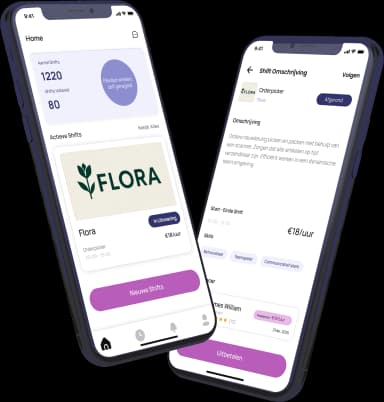
Download the HFS Freelancers app and discover flexible shifts in your area. Or explore more terms in our knowledge base.