Networking as a freelancer is the strategic process of building and nurturing professional relationships. It is a core business activity beyond just finding your next client.
What is Networking as freelancer?
For freelancers, networking is actively building a web of professional relationships. It involves connecting with potential clients, peers, and industry experts. The goal is to create a supportive community that provides opportunities, advice, and mutual growth over time.
Why is this important?
Networking is crucial because it leads to consistent work through referrals, which are often more reliable than cold outreach. It provides industry insights, potential collaborations, and moral support. A strong network acts as your safety net during slow periods and accelerates business growth.
How does it work?
It works by engaging consistently, both online and offline. You can connect via professional platforms, attend industry events, or join relevant communities. The key is to offer value first, share your expertise, and maintain genuine relationships rather than just asking for work.
Pros and cons
The pros include a steady stream of referrals, higher-quality clients, and valuable peer support. The cons are that it requires a significant time investment upfront and results are not immediate. It can also feel uncomfortable if you are introverted or new to the process.
Conclusion
Effective networking is a long-term investment in your freelance career's foundation. By focusing on genuine connections and mutual value, you build a resilient business. Start small, be consistent, and watch your community become your greatest asset.
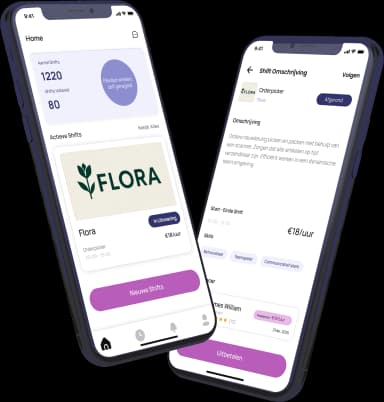
Ready to freelance?
Download the HFS Freelancers app and discover flexible shifts in your area. Or explore more terms in our knowledge base.