Negotiating is a core business skill for freelancers. It's the process of discussing terms to reach a mutual agreement with a client.
What is Negotiating?
Negotiating is a collaborative discussion aimed at reaching a mutually beneficial agreement. For freelancers, this typically involves your rate, project scope, deadlines, and contract terms. It's not about winning or losing, but finding a workable middle ground that respects your value and the client's budget.
Why is this important?
Effective negotiation directly impacts your income and job satisfaction. It ensures you are paid fairly for your skills and time. Good negotiation also sets clear project boundaries, preventing scope creep and establishing a professional, respectful relationship with your client from the start.
How does it work?
The process starts with preparation: know your minimum rate and project requirements. Then, you engage in a dialogue, often via platforms or direct contact. You present your proposal, listen to the client's needs, and make counter-offers. The goal is to agree on specific terms before work begins.
Pros and cons
The pros include securing better pay, defining clear project boundaries, and building client respect. Potential cons are the risk of losing the project if you stand firm, or the discomfort if you are new to advocating for yourself. The key is to view it as a standard business practice.
Conclusion
Negotiation is an essential skill for a sustainable freelance career. By preparing well and communicating clearly, you can secure agreements that support your business goals. Remember, every discussion is practice for the next.
Ready to freelance?
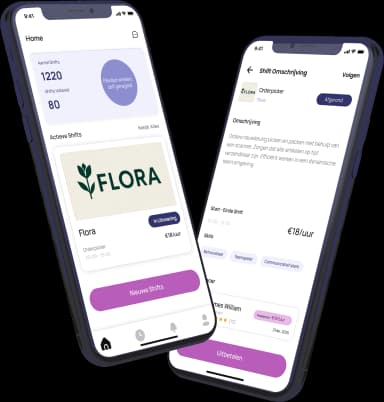
Download the HFS Freelancers app and discover flexible shifts in your area. Or explore more terms in our knowledge base.