An NDA, or Non-Disclosure Agreement, is a fundamental contract you'll encounter as a freelancer. It legally binds you to keep a client's sensitive information private.
What is NDA?
An NDA, or Non-Disclosure Agreement, is a legal contract. It creates a confidential relationship between parties. For freelancers, it means you promise not to share a client's private business information, like trade secrets, strategies, or unpublished data, with anyone else.
Why is this important?
NDAs are crucial because they build trust. Clients need to share sensitive details for you to do your job. Signing an NDA shows professionalism and assures them their ideas and data are safe. It's often the first step to securing high-value projects.
How does it work?
A client will present the NDA before sharing confidential information. You review and sign it. The contract specifies what information is protected, who can know it, and for how long. Violating it can lead to lawsuits and damage your reputation.
Pros and cons
The main pros are building client trust and accessing exclusive projects. Key cons include potential overreach, like overly broad restrictions, and the obligation lasting years. Always read it carefully to ensure the terms are fair and specific.
Conclusion
Understanding NDAs is a key part of professional freelancing. They protect clients and enable you to work on exciting, confidential projects. Always review the terms before signing to ensure they are reasonable and clear.
Ready to freelance?
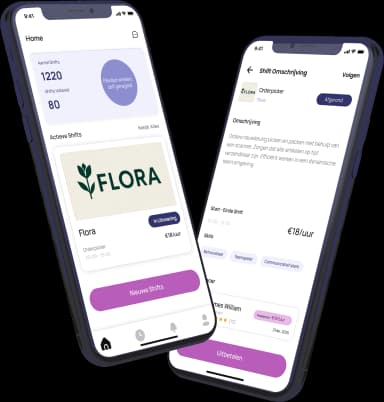
Download the HFS Freelancers app and discover flexible shifts in your area. Or explore more terms in our knowledge base.