In freelancing, navigation refers to the process of strategically steering your independent career. It involves finding your way to clients, managing projects, and building a sustainable business.
What is Navigation?
For a freelancer, navigation is the active process of directing your career path. It encompasses everything from finding and securing clients to managing project workflows and planning for long-term growth. Think of it as the map and compass for your freelance business journey.
Why is this important?
Without clear navigation, you risk drifting without consistent work or income. Effective navigation helps you build a predictable pipeline of projects, set appropriate rates, and achieve your professional goals. It transforms freelancing from a series of random gigs into a deliberate career.
How does it work?
Navigation works through continuous action and planning. You find clients via platforms, networking, or your own marketing. You then navigate projects by setting scope, communicating timelines, and delivering quality work. Finally, you navigate your business by managing finances and seeking skill development.
Pros and cons
The main pros are control over your career direction, potential for higher earnings, and flexibility. The cons include the constant need for self-motivation, income unpredictability especially early on, and wearing many hats from sales to accounting.
Conclusion
Mastering navigation is fundamental to freelance success. It requires a blend of proactive client hunting, sharp project management, and strategic business planning. By focusing on these areas, you can build a resilient and rewarding independent career.
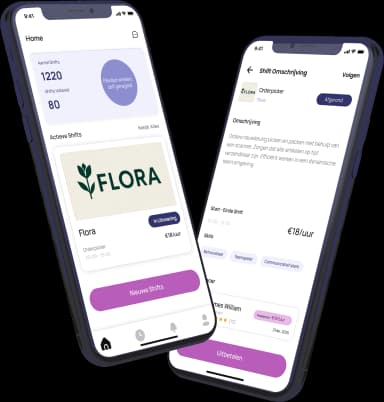
Ready to freelance?
Download the HFS Freelancers app and discover flexible shifts in your area. Or explore more terms in our knowledge base.