A native app is software developed specifically for a single mobile operating system. This is a core concept for freelancers in mobile development.
What is Native app?
A native app is a software application built in a specific programming language for a single platform or operating system. Common examples include apps written in Swift for iOS or Kotlin for Android. They are installed directly onto a device via an app store.
Why is this important?
As a freelancer, you need to understand client requirements. A project needing a native app means you must have expertise in that platform's specific language and tools. It defines the scope, required skills, and potential project budget.
How does it work?
You write code using platform-specific languages and SDKs (Software Development Kits). The app is compiled into a binary package for distribution on official stores like the Apple App Store or Google Play Store. Users download and install it directly.
Pros and cons
Key advantages include superior performance, full access to device features like the camera, and a smooth user experience. The main downsides are the need to build separate apps for each platform, which increases development time and cost.
Conclusion
Understanding native apps is crucial for freelancers in mobile development. It allows you to accurately scope projects and communicate with clients about the best technical approach for their needs.
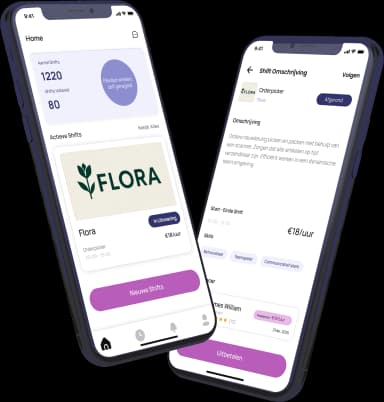
Ready to freelance?
Download the HFS Freelancers app and discover flexible shifts in your area. Or explore more terms in our knowledge base.