Mobile apps are software applications designed to run on smartphones and tablets. For freelancers, they represent a major market for development, design, and consulting services.
What is Mobile apps?
A mobile app is a software program built specifically for use on small, wireless devices like smartphones and tablets. Unlike websites accessed through a browser, apps are usually downloaded and installed from an official store, such as the Apple App Store or Google Play Store.
Why is this important?
For freelancers, mobile app development is a high-demand skill. Businesses and individuals constantly seek apps to engage customers, streamline operations, or create new services. This creates consistent project opportunities for developers, UI/UX designers, and QA testers in the freelance market.
How does it work?
Freelancers typically work on specific parts of the app lifecycle. This includes planning the concept, designing the user interface, writing code for platforms like iOS or Android, testing for bugs, and launching the app. You might find these projects via platforms, direct client outreach, or through networking.
Pros and cons
Key advantages include high demand and good earning potential. However, you must consider the cons: the need for continuous learning due to rapid platform updates, intense competition, and the complexity of managing the full development cycle, including submission to app stores.
Conclusion
Mobile app development offers a lucrative and dynamic field for skilled freelancers. Success requires not just technical expertise in coding or design, but also an understanding of user experience and market trends. Staying updated with the latest tools and platform guidelines is essential for long-term viability in this space.
Ready to freelance?
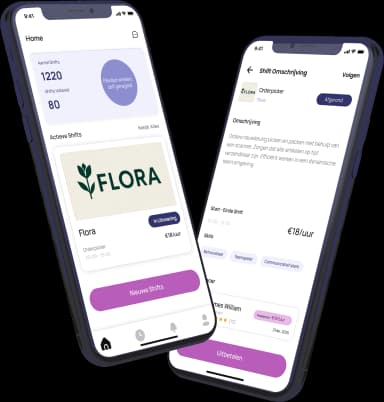
Download the HFS Freelancers app and discover flexible shifts in your area. Or explore more terms in our knowledge base.