Mobile applications, or apps, are software programs designed to run on smartphones and tablets. For freelancers, especially in tech, understanding this field is crucial for finding relevant work.
What is Mobile applications?
Mobile applications are software programs built specifically for mobile devices like smartphones and tablets. They are downloaded from app stores and provide a wide range of functions, from games and social media to productivity and banking tools. As a freelancer, you might develop native apps for iOS or Android, or create cross-platform solutions.
Why is this important?
The demand for mobile app development is consistently high, offering freelancers a lucrative and stable niche. Mastering this skill allows you to work with diverse clients, from startups to large corporations. It's a field where continuous learning in new frameworks and design trends is essential for staying competitive.
How does it work?
The process typically involves planning, design, coding, testing, and deployment to app stores. Freelancers often specialize in a specific part, like UI/UX design, front-end development, or back-end services. You usually find projects via platforms, client referrals, or by showcasing a portfolio of your published work.
Pros and cons
Key advantages include high market demand, project variety, and good earning potential. However, you must consider challenges like rapid technological change, intense competition, and the need to manage the entire app submission process for clients, which can be complex.
Conclusion
Mobile app development is a core skill in the modern freelance tech landscape. By understanding the ecosystem and its demands, you can position yourself effectively for rewarding projects. It requires technical skill but offers significant opportunities for those who specialize.
Ready to freelance?
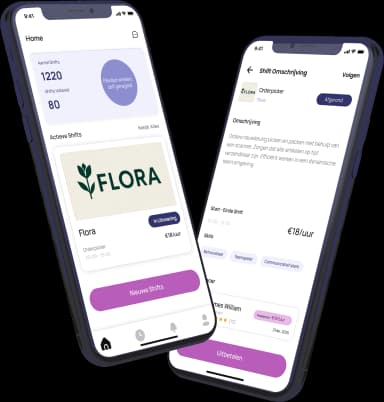
Download the HFS Freelancers app and discover flexible shifts in your area. Or explore more terms in our knowledge base.