In freelancing, 'minimum hours' is a crucial billing term. It defines the smallest amount of time you will charge a client for any single task or engagement.
What is Minimum hours?
Minimum hours refer to the least amount of billable time you set for client work. For example, you might have a two-hour minimum. This means even a 15-minute task is billed as two hours. It's a standard clause in freelance contracts and proposals.
Why is this important?
This term protects your valuable time and ensures you are paid fairly. Without it, you could lose income to countless small, administrative requests. It establishes professional boundaries and communicates that your time has a baseline value.
How does it work?
You define your minimum hours in your contract or service agreement. When a client requests work, you track the time spent. If the work takes less than your minimum, you still invoice for the full minimum period. It applies per task or per request, not per day.
Pros and cons
The pros include guaranteed income for small tasks, better time management, and professional credibility. Potential cons are that it might deter clients needing very quick help, and it requires clear communication to avoid misunderstandings about what constitutes a single task.
Conclusion
Implementing a minimum hours policy is a smart business practice for freelancers. It safeguards your earnings and respects your expertise. Clearly stating this term upfront sets clear expectations and leads to more sustainable client relationships.
Ready to freelance?
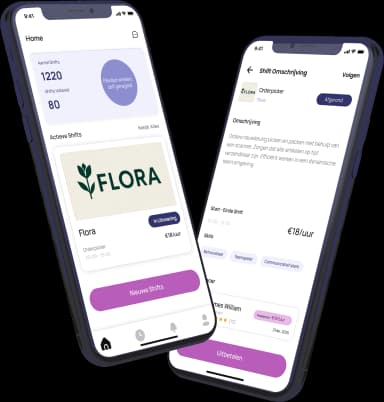
Download the HFS Freelancers app and discover flexible shifts in your area. Or explore more terms in our knowledge base.