Location tracking is the digital monitoring of a device's physical location. For freelancers, it often relates to how clients or platforms verify work activity.
What is Location tracking?
Location tracking is the process of electronically identifying and recording the geographical position of a device, like a phone or laptop. In freelancing, it can be used by clients or platforms to confirm a contractor is working from an expected or approved location, especially for remote roles with specific legal or security requirements.
Why is this important?
It's important because some client contracts or project terms require proof of your work location. This can be due to tax laws, data security regulations, or specific project needs. Understanding this helps you navigate client expectations and protect your privacy while securing work.
How does it work?
It typically works via GPS, IP address logging, or specialized time-tracking software. You might install an app that periodically checks your location during work hours. Alternatively, a platform may log the IP address of your device when you log in to submit work or track time.
Pros and cons
Key pros include building client trust for remote work and meeting compliance for international contracts. The main cons involve privacy concerns and the feeling of being micromanaged, which can conflict with the autonomy many freelancers value.
Conclusion
Location tracking is a practical reality in some freelance engagements. Being informed allows you to assess project terms clearly. Always review contracts for tracking clauses to make decisions that balance opportunity with your comfort level.
Ready to freelance?
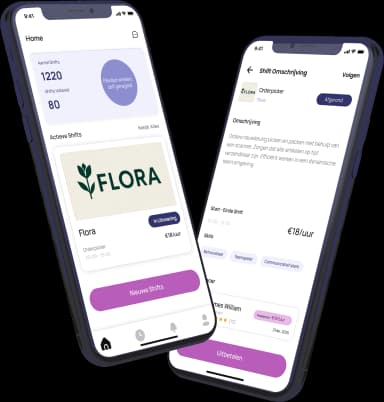
Download the HFS Freelancers app and discover flexible shifts in your area. Or explore more terms in our knowledge base.