A license agreement is a legal contract that grants a client permission to use your creative work. For freelancers, it's a fundamental tool to control how your output is used.
What is License agreement?
A license agreement is a contract where you, the creator, grant specific rights to a client to use your work. It does not transfer full ownership. Instead, it outlines the scope, duration, and terms of use for things like designs, software, or written content.
Why is this important?
It protects your intellectual property and future income. Without a clear license, a client might assume they own your work outright, preventing you from reusing it or licensing it to others. It sets clear boundaries and prevents disputes.
How does it work?
You specify the license terms in your contract. Key details include the license type, such as exclusive or non-exclusive, the geographic territory, the duration, and the permitted uses. The client pays for the rights you grant under these conditions.
Pros and cons
The pros include retaining ownership, generating recurring revenue from the same work, and having clear usage rules. The cons can be complexity in drafting and potential client negotiation over the scope of rights granted.
Conclusion
A well-drafted license agreement is essential for any freelancer creating original work. It safeguards your assets and defines the value of your service. Always clarify licensing terms before starting a project.
Ready to freelance?
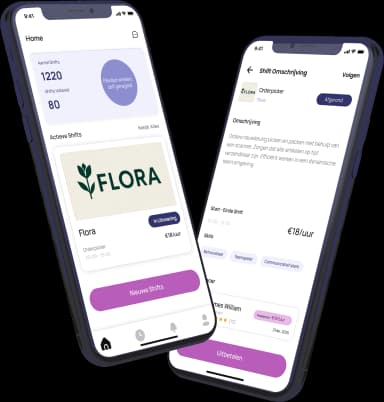
Download the HFS Freelancers app and discover flexible shifts in your area. Or explore more terms in our knowledge base.