In freelancing, 'leave' refers to taking planned time off from your work. This is a crucial aspect of managing your independent business and well-being.
What is Leave?
For freelancers, leave is any authorized time away from client work. This includes vacations, personal days, sick leave, or parental leave. Unlike salaried roles, this time is usually unpaid unless specifically negotiated in a contract.
Why is this important?
Planning for leave is vital for your financial stability and mental health. Without it, you risk burnout. It also affects how you manage client deadlines and communicate your availability, which is key to professional relationships.
How does it work?
You manage your own leave. You must plan it around project timelines and inform clients in advance. You should also budget for the unpaid time, setting aside income to cover periods when you are not working.
Pros and cons
The main advantage is complete control over your schedule. The significant downside is no guaranteed pay during time off. Other challenges include potential project delays and the need for meticulous advance planning with clients.
Conclusion
Effectively managing leave is a core skill for sustainable freelancing. By planning ahead and communicating clearly, you can enjoy necessary breaks without harming your business or client trust.
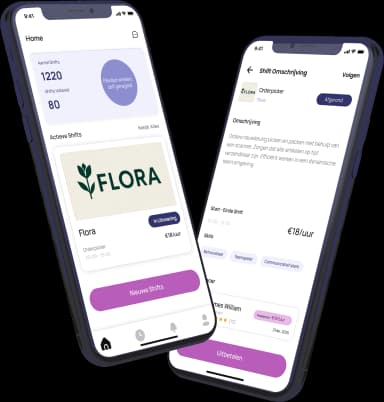
Ready to freelance?
Download the HFS Freelancers app and discover flexible shifts in your area. Or explore more terms in our knowledge base.