Invoiceable hours are the foundation of billing for many freelancers. They represent the time you can legitimately charge a client for, directly impacting your income.
What is Invoiceable hours?
Invoiceable hours, or billable hours, are the specific units of time you spend working directly on a client's project. This includes tasks like writing, designing, coding, or consulting. Time spent on administrative work or business development typically is not invoiceable to that specific client.
Why is this important?
Accurately tracking invoiceable hours is crucial for your business. It ensures you get paid for all the work you do and helps you calculate your true hourly rate. It also provides transparency for clients, building trust and justifying your invoices.
How does it work?
You track time spent on specific client tasks using a timer, spreadsheet, or dedicated app. You then compile these hours into an invoice, often detailing the work completed. The client pays based on the agreed hourly rate multiplied by the total invoiceable hours.
Pros and cons
The main pros are clear client billing and direct compensation for time invested. Key cons include the pressure to track every minute and potential income caps, as you can only bill for time you physically have.
Conclusion
Mastering invoiceable hours is a core freelance skill. Consistent tracking protects your revenue and clarifies project scope. It turns your time directly into a measurable, billable asset.
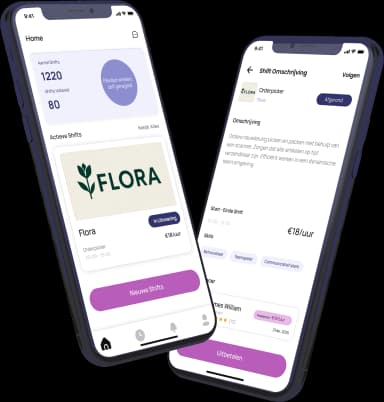
Ready to freelance?
Download the HFS Freelancers app and discover flexible shifts in your area. Or explore more terms in our knowledge base.