For freelancers, investment is the strategic allocation of resources to build a stronger, more profitable business. It's about spending now to earn more later.
What is Investment?
Investment is the act of committing resources like money, time, or effort with the expectation of generating a future benefit or profit. For you as a freelancer, this often means putting resources into your own business to help it grow and become more sustainable over the long term.
Why is this important?
Investing is crucial for moving beyond just trading hours for pay. It helps you build a resilient business that can withstand market changes. Without strategic investment, your freelance career may stagnate, limiting your income potential and professional growth.
How does it work?
You invest by allocating resources into key areas. This includes buying better software or hardware, paying for advanced training courses, or dedicating time to build a professional website and portfolio. You can also invest in marketing via platforms or networking to find higher-value clients.
Pros and cons
The pros include potential for higher income, business stability, and a competitive edge. The cons involve upfront costs, the risk that an investment may not pay off immediately, and the opportunity cost of using those resources elsewhere.
Conclusion
Viewing your freelance work through the lens of investment transforms it from a job into a scalable business. By thoughtfully investing in skills, tools, and marketing, you build an asset that generates value for years to come. Start small and focus on investments with clear returns.
Ready to freelance?
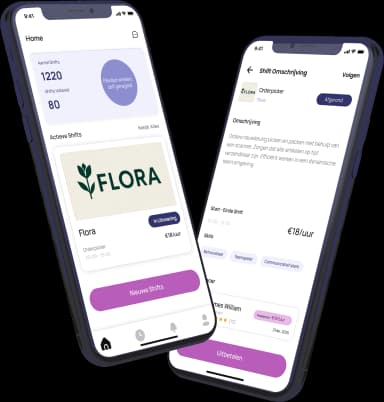
Download the HFS Freelancers app and discover flexible shifts in your area. Or explore more terms in our knowledge base.