An introduction period is a common practice in freelancing. It's a short, initial trial phase designed to test the working relationship between you and a new client.
What is Introduction period?
An introduction period is a short trial at the start of a freelance engagement. It allows both you and the client to evaluate communication, work quality, and overall fit before committing to a longer-term contract. Think of it as a probationary phase for a new professional relationship.
Why is this important?
This period is crucial for managing risk. It protects you from being locked into a difficult or poorly defined project. For clients, it mitigates the risk of hiring the wrong person. It sets clear expectations and provides a low-stakes way to ensure compatibility.
How does it work?
Typically, you agree on a short duration, like one or two weeks, or a small, discrete task. You complete the work, and the client provides feedback. Based on this mutual assessment, you both decide whether to proceed with a full project or part ways amicably.
Pros and cons
The pros include reduced risk, clearer expectations, and a chance to demonstrate value. The cons can be uncompensated work if not structured properly, potential for scope creep, and the possibility of a client using it just for a single cheap task.
Conclusion
An introduction period is a valuable tool for building successful freelance partnerships. Approach it professionally, with clear terms and deliverables. When used correctly, it lays a strong foundation for trust and long-term collaboration.
Ready to freelance?
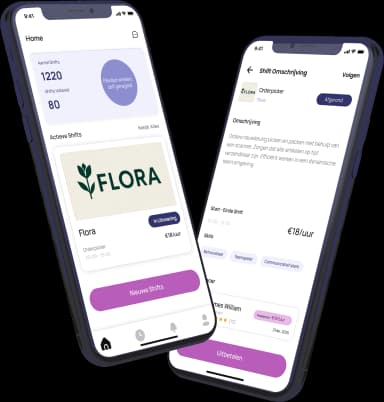
Download the HFS Freelancers app and discover flexible shifts in your area. Or explore more terms in our knowledge base.