In freelancing, an intermediary is a third party that connects you with potential clients. They act as a bridge, facilitating projects and transactions.
What is Intermediary?
An intermediary is a middleman or a connecting service between freelancers and clients. They do not perform the core work but facilitate the relationship. This can include online platforms, agencies, or recruiters who match talent with projects.
Why is this important?
Intermediaries are crucial because they provide access to a larger pool of clients you might not find on your own. They handle initial matchmaking, which saves you time on marketing and outreach. However, they also influence your rates and contract terms.
How does it work?
You typically create a profile on a platform or register with an agency. The intermediary then markets your skills, vets client projects, and facilitates the introduction. They often manage the initial agreement, payment processing, and sometimes even project communication.
Pros and cons
Key pros include easier client discovery, streamlined payments, and some dispute resolution. The main cons are fees that reduce your earnings, less direct client control, and potential restrictions on your working relationship. It's a trade-off between convenience and independence.
Conclusion
Understanding intermediaries helps you make informed choices about finding work. They offer valuable access but come at a cost. A balanced strategy often involves using intermediaries while also building your direct client network.
Ready to freelance?
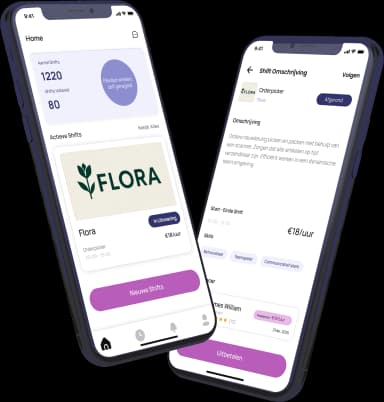
Download the HFS Freelancers app and discover flexible shifts in your area. Or explore more terms in our knowledge base.