An interim assignment is a specific type of freelance engagement. It involves stepping into a temporary, often senior, role to address an urgent business need.
What is Interim assignment?
An interim assignment is a temporary contract where you, as a freelancer, fill a specific position within a company. This is often a managerial or leadership role. You are hired to complete a defined project, cover a leave, or manage a transition period. It's a high-responsibility, fixed-term engagement.
Why is this important?
For freelancers, these assignments offer a path to high-impact, well-compensated work. They allow you to gain significant experience and build your portfolio quickly. For clients, it's a flexible solution to critical staffing gaps without long-term commitment. Understanding this model helps you target lucrative opportunities.
How does it work?
You are contracted for a specific duration, typically three to twelve months. The scope is clearly defined, often with deliverables like stabilizing a team or launching a product. You integrate into the client's organization but remain an independent contractor. Contracts are usually secured via specialized platforms or through networking.
Pros and cons
Key advantages include high day rates, strategic experience, and a clear project end date. Potential downsides are intense pressure, deep integration into client politics, and the challenge of finding the next role. It requires strong leadership and the ability to deliver results quickly.
Conclusion
Interim assignments are a powerful niche within freelancing. They suit experienced professionals who thrive under pressure and can drive change. By understanding this model, you can strategically pursue these high-stakes, rewarding opportunities.
Ready to freelance?
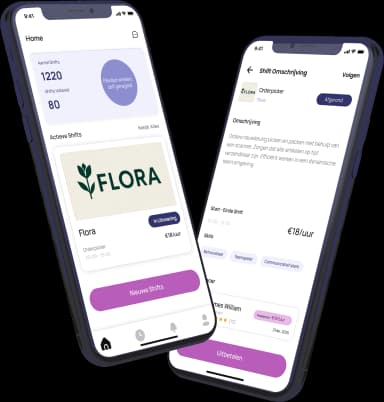
Download the HFS Freelancers app and discover flexible shifts in your area. Or explore more terms in our knowledge base.