In freelancing, 'interim' refers to temporary work you do for a client. It fills a specific, short-term need within an organization.
What is Interim?
Interim work is a temporary assignment where you step into a role for a set period. It's not a permanent job. You're hired to complete a specific project, cover a leave, or provide expertise during a transition. Think of it as a fixed-term contract.
Why is this important?
For freelancers, interim roles are a major source of work. Companies use them to manage workload spikes or skill gaps without long-term commitment. Understanding this model helps you position yourself for these lucrative, focused opportunities.
How does it work?
You are engaged for a pre-defined duration, often 3 to 12 months. You work full-time or part-time on a single client's project. Payment is typically a fixed daily or monthly rate. The engagement ends when the contract term or project is complete.
Pros and cons
Key advantages include predictable income for the contract term, deep immersion in one client's business, and strong networking potential. The main drawbacks are project uncertainty after the term ends and less variety than juggling multiple smaller clients simultaneously.
Conclusion
Interim work is a cornerstone of the freelance economy. It offers stability and focus for a defined period. By mastering this model, you can build a rewarding career on a series of impactful, temporary engagements.
Ready to freelance?
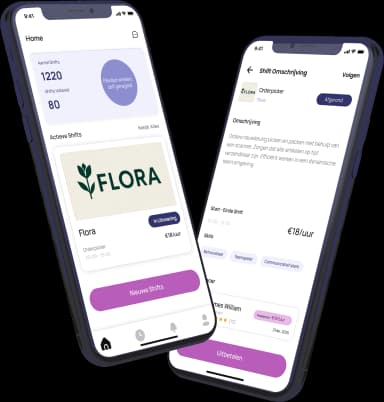
Download the HFS Freelancers app and discover flexible shifts in your area. Or explore more terms in our knowledge base.