Intellectual property is a core legal concept for anyone creating original work. As a freelancer, you must understand IP to safeguard your assets and navigate client agreements.
What is Intellectual property?
Intellectual property, or IP, is a legal term for creations of the mind. This includes your original designs, software code, written content, brand names, and inventions. It's an intangible asset you own, similar to physical property.
Why is this important?
For freelancers, IP determines who owns the work you create. Without clear agreements, you could lose rights to your portfolio or future earnings. It protects your unique creations from being used without permission or payment.
How does it work?
IP rights are automatically assigned to the creator upon creation. However, in freelance work, rights often transfer to the client upon payment, known as 'work for hire.' The specific terms are defined in your contract or service agreement.
Pros and cons
The main benefit is protecting your creative output and its value. A key drawback is the complexity; misunderstandings are common. Always clarify ownership, usage rights, and whether you retain portfolio rights before starting a project.
Conclusion
Understanding intellectual property is non-negotiable for a sustainable freelance career. Protect yourself by always using a clear contract. This ensures you know exactly what you're creating, who owns it, and how it can be used.
Ready to freelance?
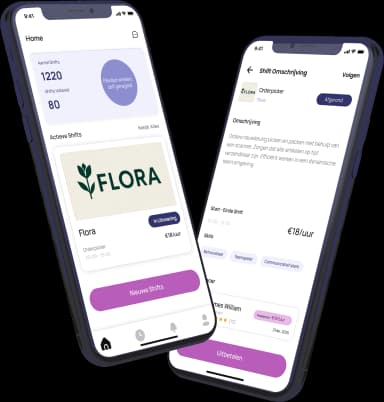
Download the HFS Freelancers app and discover flexible shifts in your area. Or explore more terms in our knowledge base.