Income diversification is a core financial strategy for freelancers. It involves creating multiple sources of revenue to reduce dependence on any single client or project.
What is Income diversification?
Income diversification is the practice of generating revenue from multiple different sources. For freelancers, this means not relying on just one client, one type of project, or one platform for all your income. It's about building a varied portfolio of work.
Why is this important?
It's crucial for financial security. If you lose your main client, diversified income acts as a safety net. It smooths out cash flow during slow periods and reduces the stress of income volatility common in freelancing.
How does it work?
You create multiple income streams. This can include a mix of client projects via platforms or networking, selling digital products like templates or ebooks, offering coaching, or earning affiliate revenue. The goal is to have several active revenue channels.
Pros and cons
The pros are clear: greater financial stability, reduced risk, and more opportunities. Potential cons include the initial time investment to set up streams and the need to manage multiple workflows, which can feel scattered if not organized well.
Conclusion
Income diversification is a fundamental practice for sustainable freelancing. It transforms your business from fragile to resilient. Start by adding just one new, small revenue stream to begin building your financial safety net today.
Ready to freelance?
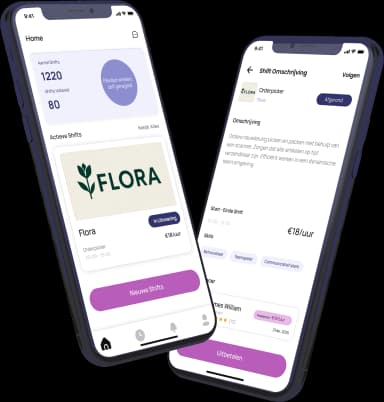
Download the HFS Freelancers app and discover flexible shifts in your area. Or explore more terms in our knowledge base.