Hybrid working is a flexible employment model. For freelancers, it means splitting your time between working remotely and collaborating on-site with a client.
What is Hybrid working?
Hybrid working is a flexible model where you split your time between working remotely and working on-site at a client's location. It's not fully remote nor fully office-based. Instead, it offers a blend of both environments to suit project needs.
Why is this important?
This model is crucial as client demand for flexible collaboration grows. It allows you to access a wider range of projects that may require occasional in-person meetings or teamwork. Understanding hybrid work makes you a more adaptable and attractive partner.
How does it work?
You agree on a schedule with your client, like specific days in their office each week or month. Communication and tasks are managed using digital tools for remote days. Clear contracts should outline expectations for on-site requirements and expenses.
Pros and cons
Key benefits include greater flexibility, stronger client relationships, and access to local opportunities. The downsides can involve commute costs, less schedule control on office days, and potential for blurred work-life boundaries if not managed well.
Conclusion
Hybrid working is a powerful model that balances independence with collaboration. By mastering it, you can expand your service offerings and build deeper client trust. It requires clear communication and boundary-setting to be truly effective.
Ready to freelance?
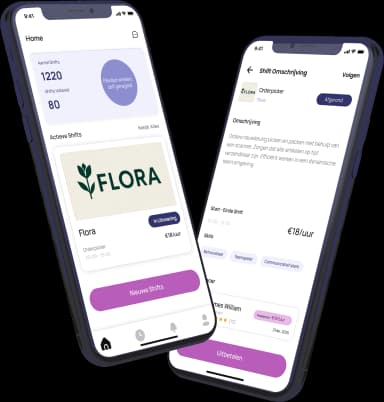
Download the HFS Freelancers app and discover flexible shifts in your area. Or explore more terms in our knowledge base.