Home work is a common term for professional services delivered remotely from a freelancer's home. It's the core model for many independent professionals today.
What is Home work?
Home work, in a freelancing context, means performing paid client projects from your own residence. It's not school assignments but professional, remote contract work. You use your own equipment and space to deliver services like writing, design, or programming.
Why is this important?
Understanding this model is crucial as it defines your work-life structure. It impacts your taxes, home office setup, and daily routine. For clients, it often means accessing a global talent pool and potentially lower project costs.
How does it work?
You typically find clients via platforms or networking. After agreeing on scope and pay, you complete the work from home and deliver it digitally. Communication and payments are handled online, following the terms of your contract.
Pros and cons
Key advantages include flexibility, no commute, and lower overhead. The main challenges are self-discipline, potential isolation, and blurring work-life boundaries. Managing distractions and setting a dedicated workspace are essential for success.
Conclusion
Home work is a foundational model for modern freelancing. It offers great freedom but requires discipline and professional setup. By mastering it, you can build a sustainable and flexible career on your own terms.
Ready to freelance?
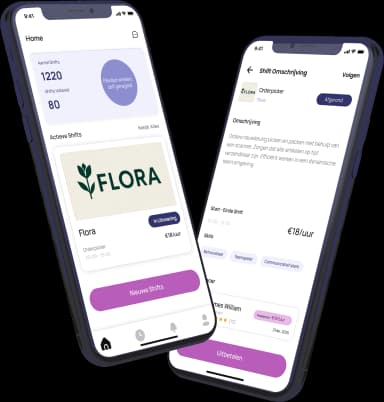
Download the HFS Freelancers app and discover flexible shifts in your area. Or explore more terms in our knowledge base.