A home office allowance is a payment you receive from a client to cover costs associated with working from home. It's a common arrangement in freelance contracts.
What is Home office allowance?
A home office allowance is a fixed sum of money a client pays you to cover the costs of your remote workspace. It compensates for expenses like internet, electricity, equipment, or furniture you use for their project. It's not a salary but a reimbursement for overheads.
Why is this important?
This allowance is important because it protects your profit margin. As a freelancer, your home office costs eat into your earnings. An allowance ensures the client shares the burden of the infrastructure needed to complete their work, making your business more sustainable.
How does it work?
Typically, you and the client agree on a fixed monthly or project-based amount. This is added to your invoice as a separate line item. It's simpler than tracking and billing for individual receipts. The terms should be clearly stated in your contract to avoid confusion.
Pros and cons
The pros include extra income to cover real costs and simplified billing. The cons are that it may be taxable income and could potentially make your rate seem higher to some clients. It's also a fixed amount, so it may not cover unexpected spikes in utility costs.
Conclusion
A home office allowance is a practical tool for freelancers to manage business expenses. It formalizes the cost of your workspace in the client relationship. Consider proposing it for long-term or high-intensity projects to ensure fair compensation.
Ready to freelance?
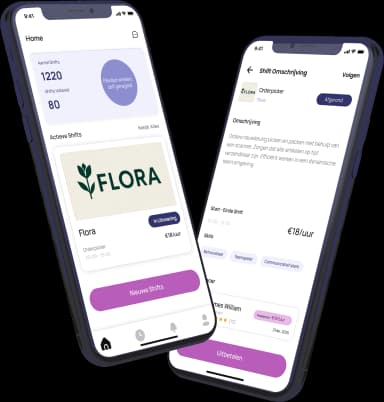
Download the HFS Freelancers app and discover flexible shifts in your area. Or explore more terms in our knowledge base.