In freelancing, hardware is the physical technology you use to get your work done. It's the foundation of your business operations.
What is Hardware?
Hardware refers to the physical components of a computer system. For freelancers, this includes your primary tools like your laptop or desktop computer, monitor, keyboard, mouse, and peripherals such as a webcam, microphone, and router. It's the tangible equipment you interact with daily to complete client projects.
Why is this important?
Your hardware is your direct link to clients and income. Reliable, capable equipment ensures you can work efficiently, meet deadlines, and present a professional image. Outdated or failing hardware leads to frustration, lost time, and can damage your reputation if you miss a deadline due to a tech failure.
How does it work?
You invest in hardware that matches your specific work needs. A graphic designer needs a powerful computer with a color-accurate monitor, while a writer may prioritize a comfortable keyboard. You purchase this equipment yourself, set it up, and maintain it. It's a business asset you own and are responsible for.
Pros and cons
The main advantages are control and performance; you choose tools that perfectly fit your workflow. It's also a tax-deductible business expense. The cons include the significant upfront cost and the responsibility for maintenance, repairs, and eventual upgrades as technology evolves.
Conclusion
Viewing hardware as a necessary business investment, not just an expense, is key for freelancers. Choosing the right tools boosts your productivity and professionalism. Plan for periodic upgrades to keep your business running smoothly and competitively.
Ready to freelance?
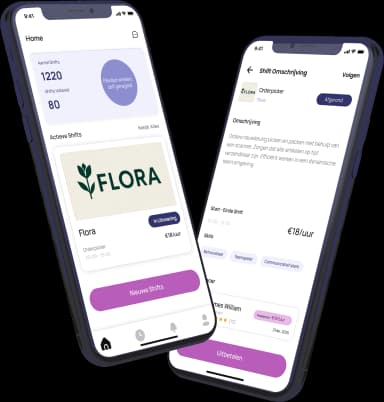
Download the HFS Freelancers app and discover flexible shifts in your area. Or explore more terms in our knowledge base.