The gig economy is a modern labor market where you work on a project-by-project basis. It's the foundation of modern freelancing and independent contracting.
What is Gig economy?
The gig economy is a labor market characterized by short-term contracts or freelance work, as opposed to permanent jobs. Instead of being an employee, you are an independent contractor hired for specific tasks or 'gigs'. This model is common in fields like writing, design, programming, and consulting.
Why is this important?
It's important because it reshapes how people work and earn a living. For you as a freelancer, it represents the primary marketplace for your services. Understanding its dynamics helps you navigate finding work, setting rates, and managing your business effectively.
How does it work?
You find individual projects or gigs, often via online platforms or networking. You complete the work, invoice the client, and then move on to the next project. You are responsible for your own taxes, benefits, and securing a steady stream of work.
Pros and cons
Key advantages include flexibility, autonomy, and diverse income streams. The main challenges are income instability, a lack of traditional benefits like health insurance, and the constant need to market yourself and find new clients.
Conclusion
The gig economy offers a flexible path to building a career on your own terms. Success requires strong self-discipline, business skills, and the ability to adapt. It's a defining feature of the modern workforce for millions.
Ready to freelance?
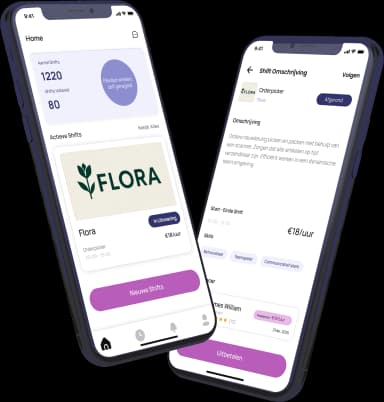
Download the HFS Freelancers app and discover flexible shifts in your area. Or explore more terms in our knowledge base.