In freelancing, a gig is a fundamental unit of work. It refers to a single, defined project or task you complete for a client.
What is Gig?
A gig is a short-term, project-based piece of work. Unlike a traditional job, it has a defined scope and end date. You are hired to deliver a specific outcome, such as designing a logo or writing an article.
Why is this important?
Gigs form the backbone of the freelance economy. Understanding them helps you structure your business, price your services, and manage client expectations. Your income is typically the sum of multiple concurrent or sequential gigs.
How does it work?
You find gigs via platforms, networking, or referrals. You agree on scope, deadline, and price with the client, often using a contract. After completing the work, you deliver it, get feedback, and receive payment for the finished gig.
Pros and cons
Key advantages include flexibility, variety, and control over your workload. The main challenges are income inconsistency, the need for constant self-promotion, and a lack of traditional employment benefits like paid leave.
Conclusion
Mastering the gig is essential for freelance success. It allows you to build a diverse portfolio and control your career. Effective gig management turns individual projects into a sustainable business.
Ready to freelance?
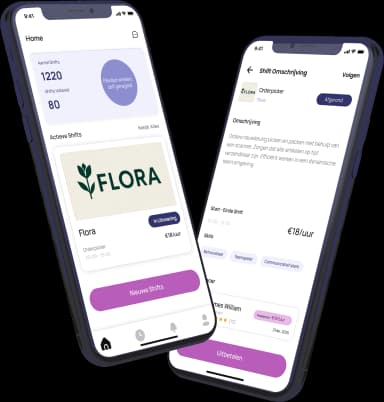
Download the HFS Freelancers app and discover flexible shifts in your area. Or explore more terms in our knowledge base.