Freelancing is a popular way to build a career on your own terms. It involves offering your skills and services directly to clients as an independent business.
What is Freelancing?
Freelancing is a form of self-employment where you work independently, not as a permanent employee for a single company. You are your own boss, offering specific skills or services to multiple clients. Projects can be short-term or ongoing, and you manage your own schedule and workload.
Why is this important?
Understanding freelancing is crucial because it represents a fundamental shift in the modern workforce. It offers an alternative path to traditional employment, granting autonomy and flexibility. For businesses, it provides access to a global talent pool for specific project needs.
How does it work?
You find clients via platforms, networking, or referrals. You agree on a project scope, deadline, and price, often formalized with a contract. You complete the work, invoice the client, and handle your own taxes and business expenses. Payment models include fixed-price, hourly, or retainer fees.
Pros and cons
Key advantages include flexibility, control over your projects, and unlimited earning potential. The main challenges are income instability, the need for self-discipline, and handling all business administration, like finding clients and managing finances, on your own.
Conclusion
Freelancing is a dynamic career model centered on independence and direct client service. It requires a business-minded approach to succeed. For the right person, it can be a highly rewarding way to work.
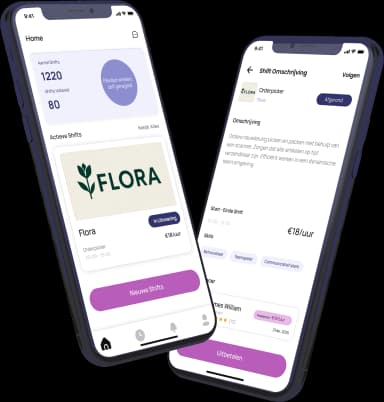
Ready to freelance?
Download the HFS Freelancers app and discover flexible shifts in your area. Or explore more terms in our knowledge base.