Freelancer certification is a formal credential that validates your skills and knowledge in a specific field. It's a tool many freelancers use to enhance their professional credibility.
What is Freelancer certification?
Freelancer certification is a formal credential you earn by passing an assessment or completing a course. It verifies your expertise in a specific skill, tool, or methodology. This proof of competency is often issued by software companies, industry associations, or educational platforms.
Why is this important?
Certification can help you stand out in a crowded market. It provides third-party validation of your skills, which builds client trust and can justify higher rates. For technical fields, it's often a key requirement to even be considered for projects.
How does it work?
You typically complete a course or study materials, then pass a proctored exam. Once certified, you can display the badge on your website, portfolio, and profiles. Some certifications require periodic renewal through continuing education or re-testing to stay current.
Pros and cons
Key advantages include increased credibility, a competitive edge, and structured learning. Potential downsides are the cost, time investment, and the fact that a portfolio of real work often holds more weight. You must weigh if the return on investment makes sense for your niche.
Conclusion
Freelancer certification is a strategic tool, not a magic bullet. It works best when it complements a strong portfolio and proven experience. Research if certifications are valued in your specific industry before investing your time and money.
Ready to freelance?
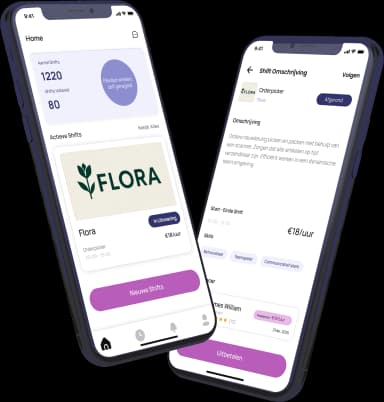
Download the HFS Freelancers app and discover flexible shifts in your area. Or explore more terms in our knowledge base.