Freelance platforms are online marketplaces that connect independent professionals with clients seeking their skills. They have become a fundamental part of the modern gig economy.
What is Freelance platforms?
A freelance platform is a digital marketplace. It acts as a meeting point where businesses post projects and freelancers offer their services. These platforms facilitate the entire process from discovery to payment for short-term or project-based work.
Why is this important?
For freelancers, these platforms provide crucial access to a global pool of potential clients. They simplify the process of finding work, which can be challenging via networking alone. For clients, they offer a streamlined way to find and vet talent for specific needs.
How does it work?
Typically, you create a profile showcasing your skills and portfolio. Clients post job listings, and you can submit proposals or apply. The platform usually manages the contract, communication, and payment processing, often taking a service fee from the freelancer's earnings.
Pros and cons
Key advantages include immediate access to jobs, built-in payment protection, and project management tools. The main drawbacks are high competition, platform fees that reduce your pay, and the risk of your success being tied to the platform's algorithms and rules.
Conclusion
Freelance platforms are powerful tools for launching or growing an independent career. They offer convenience and access but come with trade-offs. Many successful freelancers use them alongside other client acquisition methods for a balanced business strategy.
Ready to freelance?
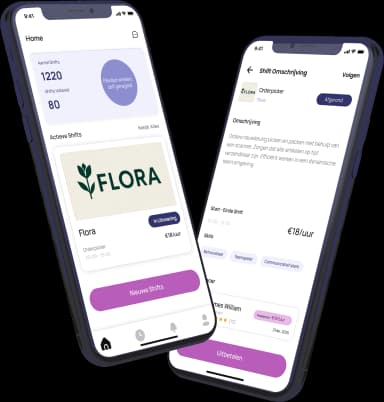
Download the HFS Freelancers app and discover flexible shifts in your area. Or explore more terms in our knowledge base.