Freelance networking is a core business skill for independent professionals. It involves actively building and nurturing relationships to secure opportunities and support.
What is Freelance networking?
Freelance networking is the strategic process of building and maintaining professional relationships. It's not just socializing; it's about creating a web of contacts who can provide referrals, collaborations, advice, and client leads to help your business thrive.
Why is this important?
For freelancers, your network is your net worth. Most high-quality projects come through referrals, not cold applications. A strong network provides a steady stream of work, industry insights, and a support system of peers who understand the freelance journey.
How does it work?
It works by consistently connecting with others in your field and related industries. You can do this online via social platforms and professional forums, or in-person at industry events and local meetups. The goal is to offer value first, not just ask for work.
Pros and cons
The pros are clear: more referrals, higher-quality clients, collaborative opportunities, and valuable peer support. The main cons are that it requires a significant, ongoing time investment and results are not always immediate, demanding patience and consistency.
Conclusion
Freelance networking is an investment in your business's long-term health. By focusing on genuine relationship-building, you create a reliable pipeline for opportunities and a community that supports your growth. Start small, be consistent, and always aim to give more than you take.
Ready to freelance?
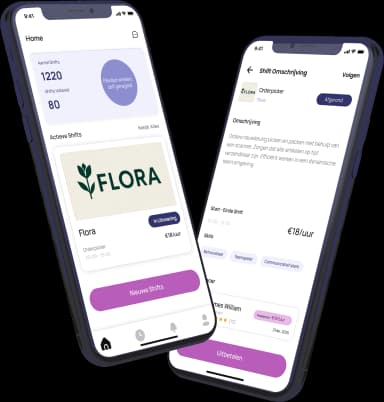
Download the HFS Freelancers app and discover flexible shifts in your area. Or explore more terms in our knowledge base.