For freelancers, free time isn't just leisure. It's any time not directly spent on paid client projects, and managing it is a core business skill.
What is Free time?
In freelancing, free time refers to hours in your workday not dedicated to billable client tasks. This includes time for administrative work, learning, marketing, and personal breaks. It's the non-revenue generating portion of your schedule that is still vital for your operation.
Why is this important?
Free time is your business investment period. You use it to find new clients via platforms or networking, improve your skills, and handle taxes. Without it, you risk burnout and stagnation. It's the engine for future growth and sustainability.
How does it work?
You must intentionally schedule free time. Block out hours each week for non-client work. Common uses include updating your portfolio, pitching proposals, taking courses, and doing accounting. Treat this time as seriously as you treat client deadlines.
Pros and cons
The pros are clear: free time fuels growth, prevents burnout, and allows for strategic planning. The main con is the opportunity cost, as hours spent here are not immediately billable. It requires discipline to use this time productively instead of as pure leisure.
Conclusion
Mastering your free time is key to a successful freelance career. It's not lost revenue, but a strategic investment. By planning it wisely, you build a more resilient and profitable business for the long term.
Ready to freelance?
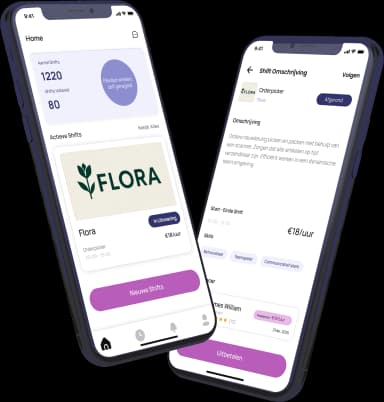
Download the HFS Freelancers app and discover flexible shifts in your area. Or explore more terms in our knowledge base.