Food safety certification is formal training that proves you understand how to handle food safely. For freelancers, it's a key credential for many food-related projects.
What is Food safety certification?
Food safety certification is official proof you've completed training in safe food handling. It covers preventing contamination, proper temperatures, hygiene, and sanitation. Common types include Food Handler and more advanced HACCP certifications for managing risk.
Why is this important?
This certification is crucial for your freelance business. Many clients, like restaurants or food brands, require it by law or policy. It builds immediate trust, shows professionalism, and opens doors to higher-paying contracts in the food and hospitality sector.
How does it work?
You typically complete an online or in-person course from an accredited provider. The course ends with an exam. Upon passing, you receive a certificate, which is often valid for a set period before requiring renewal to stay current with regulations.
Pros and cons
The main pros are increased employability, higher perceived value, and compliance with regulations. The cons include the initial cost and time investment for the course, plus the need for periodic renewal to keep your credential active.
Conclusion
For freelancers working with food, this certification is a smart career investment. It validates your skills and meets client requirements. Consider it an essential tool for building a reputable and compliant freelance practice in this industry.
Ready to freelance?
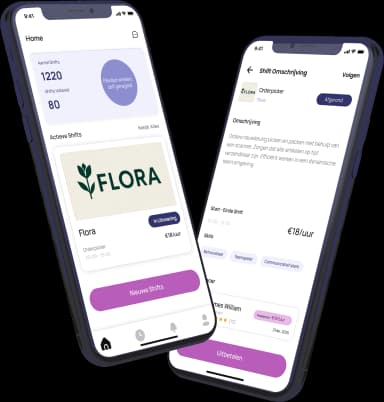
Download the HFS Freelancers app and discover flexible shifts in your area. Or explore more terms in our knowledge base.