Flexible working is a core concept in freelancing. It refers to having control over when, where, and how you complete your professional tasks.
What is Flexible working?
Flexible working is an arrangement where you have significant autonomy over your work schedule and location. It means you are not bound to a traditional 9-to-5 office day. Instead, you can choose your hours and often work from anywhere.
Why is this important?
For freelancers, this flexibility is often the main appeal. It allows you to design a work life that fits your personal needs and peak productivity times. You can attend to family, pursue hobbies, or avoid long commutes, leading to greater job satisfaction.
How does it work?
You agree on deliverables and deadlines with clients, not on specific clock-in times. You then manage your own time to meet those goals. This often involves using digital tools for communication and project management to stay aligned with client expectations.
Pros and cons
The key advantages are better work-life balance, increased autonomy, and reduced commute stress. The potential downsides include the challenge of self-discipline, blurred boundaries between work and home, and sometimes irregular income streams.
Conclusion
Flexible working is a powerful model that defines the freelance experience. To succeed, you must pair this freedom with strong self-management skills. When done well, it can lead to a more sustainable and fulfilling career.
Ready to freelance?
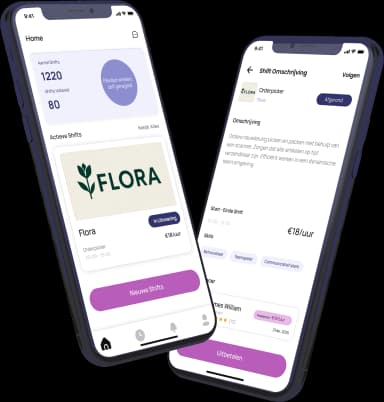
Download the HFS Freelancers app and discover flexible shifts in your area. Or explore more terms in our knowledge base.