A flexible workforce is a modern labor model where businesses hire talent on-demand. For you as a freelancer, it represents the core of how project-based work is organized today.
What is Flexible workforce?
A flexible workforce is a labor model where companies hire talent as needed, rather than maintaining a large permanent staff. It's primarily composed of freelancers, independent contractors, and temporary workers. You are hired for specific projects or skills, offering businesses agility.
Why is this important?
This model is crucial because it creates the market for your freelance services. It allows businesses to scale teams up or down quickly based on project needs. For you, it means access to a wider variety of projects and clients without being tied to a single employer.
How does it work?
You connect with clients seeking specific skills for defined periods. Engagements are typically project-based or contractual. Work is often coordinated remotely via platforms or direct networking, with clear deliverables and timelines agreed upon in advance.
Pros and cons
Key advantages include freedom, variety, and control over your schedule and workload. Potential downsides can be income instability, a lack of traditional benefits, and the constant need to market yourself and manage client relationships.
Conclusion
The flexible workforce is the foundation of the modern freelance economy. Understanding this model helps you navigate your career strategically. It empowers you to build a diverse client portfolio and work on your own terms.
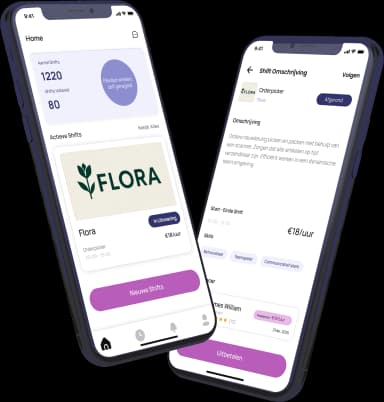
Ready to freelance?
Download the HFS Freelancers app and discover flexible shifts in your area. Or explore more terms in our knowledge base.