Flexible shifts are a core feature of freelancing. They refer to a work arrangement where you, not a client, have primary control over your daily and weekly schedule.
What is Flexible shifts?
Flexible shifts describe a non-traditional work schedule. Instead of fixed 9-to-5 hours, you decide when to work. This could mean working early mornings, late nights, or splitting your day. The key is that you manage the timing to meet project deadlines.
Why is this important?
This autonomy is a major reason people choose freelancing. It allows you to work when you are most productive. You can also balance work with personal commitments, family, or other projects. It's fundamental to the freelance lifestyle.
How does it work?
You agree on deliverables and deadlines with a client, not on specific clock-in times. You then organize your own hours to complete the work. This often happens via platforms or direct contracts. Communication about availability is still crucial for collaboration.
Pros and cons
The main advantages are better work-life integration and increased personal autonomy. However, challenges include potential for overwork, difficulty unplugging, and the need for strong self-discipline to avoid procrastination.
Conclusion
Flexible shifts offer freedom but require responsibility. Mastering your schedule is a key freelance skill. When managed well, it can lead to greater satisfaction and productivity in your independent career.
Ready to freelance?
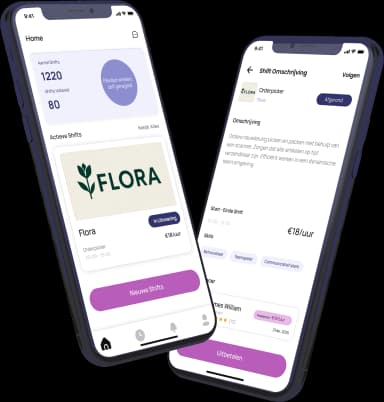
Download the HFS Freelancers app and discover flexible shifts in your area. Or explore more terms in our knowledge base.