Flexible jobs are a core feature of modern freelancing. They give you significant control over your work arrangements, moving beyond the traditional 9-to-5 office model.
What is Flexible jobs?
A flexible job is any work arrangement that offers significant control over your schedule, location, or workload. Common types include remote work, project-based gigs, part-time contracts, and roles with adjustable hours. The core idea is that you, not a fixed office policy, dictate the main terms of how the work gets done.
Why is this important?
For freelancers, flexibility is often the primary goal. It enables a better work-life balance, allowing you to manage personal commitments, pursue other projects, or simply work during your most productive hours. This autonomy is a major driver for choosing independent work over traditional employment.
How does it work?
You typically find these jobs via freelance platforms, networking, or direct client outreach. Agreements are project-based or hourly, with clear deliverables. Communication happens online using tools for chat, video calls, and project management. Payment is tied to completing milestones or agreed-upon work periods.
Pros and cons
The main advantages are control over your time, location independence, and the potential for a better lifestyle. Key challenges include income instability, the need for strong self-discipline, and sometimes a lack of traditional benefits like paid leave or health insurance.
Conclusion
Flexible jobs are fundamental to the freelance economy. They empower you to design a career that fits your life, not the other way around. Success requires embracing both the freedom and the responsibility that comes with this model.
Ready to freelance?
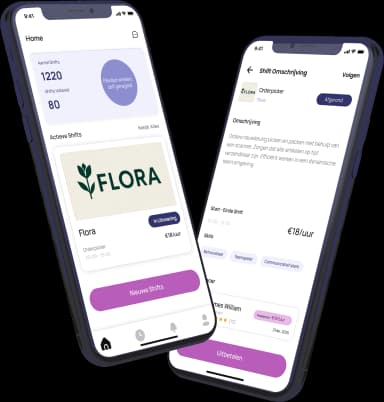
Download the HFS Freelancers app and discover flexible shifts in your area. Or explore more terms in our knowledge base.