Flexible freelancing is a core principle of modern independent work. It gives you control over when, where, and how you complete your projects.
What is Flexible freelancing?
Flexible freelancing is a work model where you, the freelancer, have significant control over your professional life. This includes setting your own work hours, choosing which projects to accept, and often deciding your own rates and working location.
Why is this important?
This flexibility is the main reason many people choose freelancing. It allows you to design a career around your personal life, health, and other commitments. You can prioritize work-life balance and pursue projects that genuinely interest you.
How does it work?
You typically find clients via platforms, networking, or referrals. You then negotiate project terms, including deadlines, scope, and payment. The key is that you manage your own schedule to meet these agreed-upon deliverables.
Pros and cons
The main advantages are control over your time, location independence, and diverse project work. The downsides include income instability, a lack of traditional benefits, and the constant need to find new clients and manage all business aspects yourself.
Conclusion
Flexible freelancing empowers you to build a career on your own terms. It requires strong self-discipline and business skills to manage the inherent unpredictability. For many, the freedom it offers outweighs the challenges.
Ready to freelance?
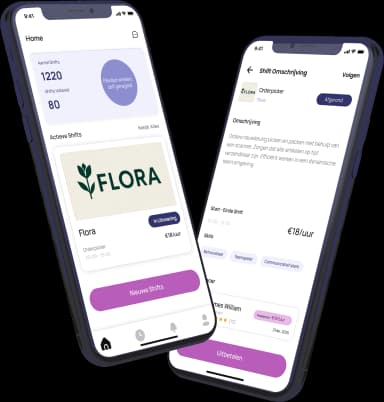
Download the HFS Freelancers app and discover flexible shifts in your area. Or explore more terms in our knowledge base.