Flexibility is a defining feature of freelance work. It refers to the autonomy you have over your professional life, from setting your hours to choosing your clients.
What is Flexibility?
In freelancing, flexibility means having control over key aspects of your work. This primarily includes your schedule, your workload, your project choices, and often your physical location. It's the freedom to design your workday around your life, not the other way around.
Why is this important?
Flexibility is a major reason people choose to freelance. It enables a better work-life balance, allowing you to attend to personal needs. It also lets you pursue diverse projects that match your interests and peak productivity times, leading to greater job satisfaction.
How does it work?
You implement flexibility by setting clear boundaries with clients. You negotiate deadlines that suit your capacity and communicate your working hours. You find clients via platforms or networking who value results over micromanagement, allowing you to deliver work on your own terms.
Pros and cons
The key advantages are better work-life integration, increased autonomy, and the ability to avoid burnout. The main downsides include potential income instability, the challenge of self-discipline, and the blurring of lines between work and personal time, which can lead to overwork.
Conclusion
Flexibility is a powerful benefit of freelancing that requires careful management. To succeed, you must proactively structure your work and set boundaries. When managed well, it becomes the cornerstone of a sustainable and fulfilling freelance career.
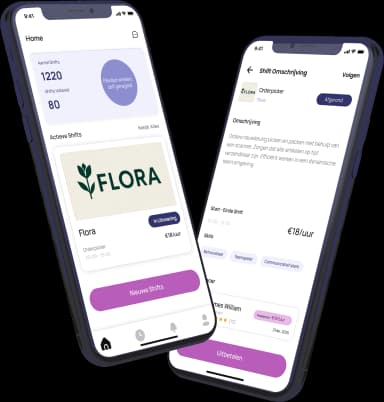
Ready to freelance?
Download the HFS Freelancers app and discover flexible shifts in your area. Or explore more terms in our knowledge base.