The term 'flex worker' describes a modern professional who prioritizes flexibility. It's a core concept in today's freelance and gig economy.
What is Flex worker?
A flex worker is an independent professional, like a freelancer or contractor, who has significant control over their work arrangements. This typically means choosing your own hours, location, and often the specific projects you take on. The focus is on adaptability and autonomy rather than a traditional 9-to-5 schedule.
Why is this important?
This model is central to the modern workforce. For you as a freelancer, understanding it helps you market your services and structure your business. It highlights the value you offer clients: agility, specialized skills on demand, and often lower overhead costs for them.
How does it work?
You operate as your own business. You find projects via platforms, networking, or direct outreach. You negotiate terms, set your rates, and complete work on a per-project or temporary basis. You manage all your own taxes, equipment, and benefits.
Pros and cons
Key advantages include freedom, control, and potential for diverse income. The main challenges are income instability, a lack of employer-provided benefits, and the need for self-discipline. You must actively manage your pipeline and finances.
Conclusion
Being a flex worker offers a powerful alternative to traditional employment. Success requires entrepreneurial skills alongside your core expertise. It's a defining approach for building a modern, self-directed career.
Ready to freelance?
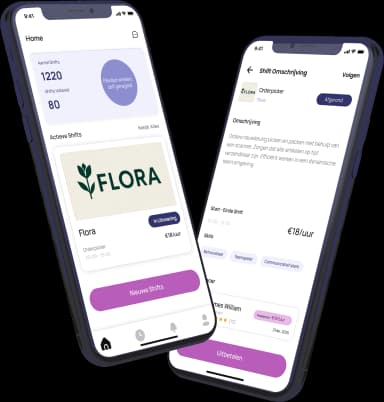
Download the HFS Freelancers app and discover flexible shifts in your area. Or explore more terms in our knowledge base.