Flex work, or flexible work, is a core concept for modern professionals. It refers to employment arrangements that break from the traditional 9-to-5 office structure.
What is Flex work?
Flex work is any job arrangement that offers significant flexibility in how, when, and where work is done. For you as a freelancer, this typically means having control over your own schedule, choosing your work location, and often deciding on your workload and project selection.
Why is this important?
This model is the foundation of modern freelancing. It empowers you to design a career that fits your life, not the other way around. Understanding flex work helps you negotiate better terms and seek out clients who value output over rigid hours.
How does it work?
You secure projects, often via platforms or networking, with agreed-upon deliverables and deadlines. Instead of fixed daily hours, you manage your own time to meet those goals. Communication with clients happens remotely through digital tools, and payment is usually project-based or hourly.
Pros and cons
Key advantages include better work-life integration, location independence, and increased autonomy. The potential downsides are income instability, the need for strong self-discipline, and a sometimes blurred line between work and personal time.
Conclusion
Flex work is more than a trend; it's a fundamental shift in how we define employment. For freelancers, mastering this model is key to building a sustainable and satisfying independent career. It puts you in the driver's seat of your professional journey.
Ready to freelance?
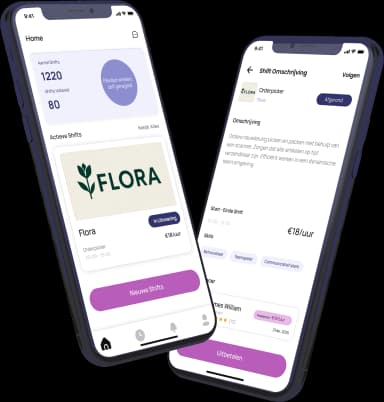
Download the HFS Freelancers app and discover flexible shifts in your area. Or explore more terms in our knowledge base.