An employment relationship defines the legal and working connection between a worker and a hiring entity. For freelancers, understanding this term is vital to clarify your status.
What is Employment relationship?
An employment relationship is a formal arrangement where a worker (employee) provides services under the control and direction of an employer. In freelancing, you typically avoid this. You operate as an independent contractor, meaning you have more autonomy over how, when, and where the work is done.
Why is this important?
It's crucial because it determines your legal and tax obligations. Being misclassified as an employee can lead to unexpected tax bills and loss of freelance freedoms. Correctly establishing an independent contractor relationship protects your business status and clarifies responsibilities for both you and your client.
How does it work?
As a freelancer, you work under a service agreement, not an employment contract. Key indicators of a non-employment relationship include using your own tools, setting your own schedule, and working for multiple clients. You invoice for your services and are responsible for your own taxes and benefits.
Pros and cons
The main pros are greater freedom, control, and potential for higher earnings. The cons include no employer-provided benefits like health insurance or paid leave, income variability, and full responsibility for your own taxes and business costs.
Conclusion
Understanding the employment relationship helps you maintain proper freelance status. Always use clear contracts that outline the independent nature of your work. This protects you legally and financially as you build your business.
Ready to freelance?
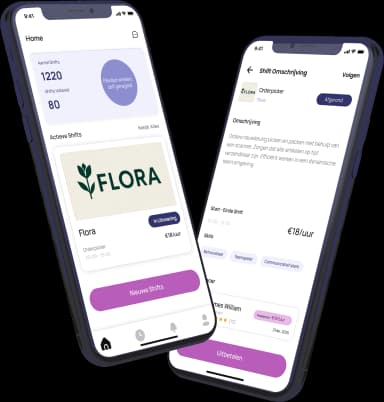
Download the HFS Freelancers app and discover flexible shifts in your area. Or explore more terms in our knowledge base.