Emotional intelligence is a vital skill for freelancers. It goes beyond technical expertise to help you navigate client relationships and project challenges effectively.
What is Emotional intelligence?
Emotional intelligence is your ability to recognize, understand, and manage your own emotions. It also involves perceiving and influencing the emotions of people around you. This skill is often broken down into self-awareness, self-regulation, motivation, empathy, and social skills.
Why is this important?
For freelancers, emotional intelligence is crucial for success. It helps you manage difficult client conversations, negotiate contracts calmly, and receive feedback without defensiveness. It also aids in building lasting professional relationships and managing the stress of independent work.
How does it work?
You apply it by actively listening to a client's concerns before reacting. It means pausing to manage your frustration during a revision request. It works by using empathy to understand a client's unspoken needs, which leads to better project outcomes and satisfaction.
Pros and cons
The pros are clear: better client retention, smoother project flow, and reduced conflict. It can also prevent burnout by improving your stress management. A potential con is that over-emphasizing others' emotions might lead you to neglect your own boundaries or undervalue your work.
Conclusion
Emotional intelligence is not a soft skill but a core business competency for freelancers. By developing it, you directly enhance your professional reputation and project success. It turns client interactions from transactions into productive partnerships.
Ready to freelance?
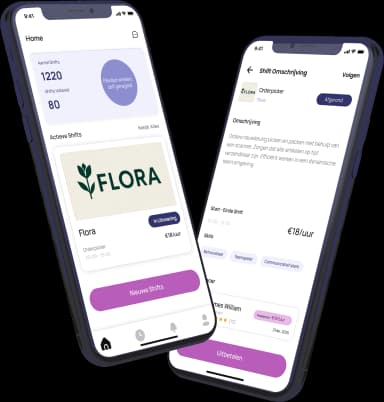
Download the HFS Freelancers app and discover flexible shifts in your area. Or explore more terms in our knowledge base.